

Strategical Design Futures
- Cianán Ó hANLUAIN
- Apr 28, 2022
- 3 min read

Blog 10
Wk 10
I previously discussed the topic of designing for the future and speculative design. These concepts can seem decades if not centuries away. This leaves a gap between then and now. This gap is the most important part. This gap in time is the chance for us to get from here to there, our forecasted future. As designers, we have the opportunity to use our skills in connecting this gap.
Rome was not built in a day. If we want to be in a forecasted world that is sustainable and green. We must take fast, achievable steps that help us, as a society, to get to this desired future. One of these small steps is by paring things down and building ideas on a smaller scale. An example of this is designing for smaller communities rather than designing one big idea that would facilitate an entire city. This week guest speaker Diarmuid Upton spoke with us. He is a PhD Researcher in Design Factors and is a designer and an architect. He came in and spoke to us about designing for strategic design futures.
Strategic future design is something that has been heavily discussed and thought about. Diarmuid talked to us about how the United Nations have put together a list of seventeen sustainable development goals. These goals cover seventeen themes in which we must come up with more sustainable systems and practices.
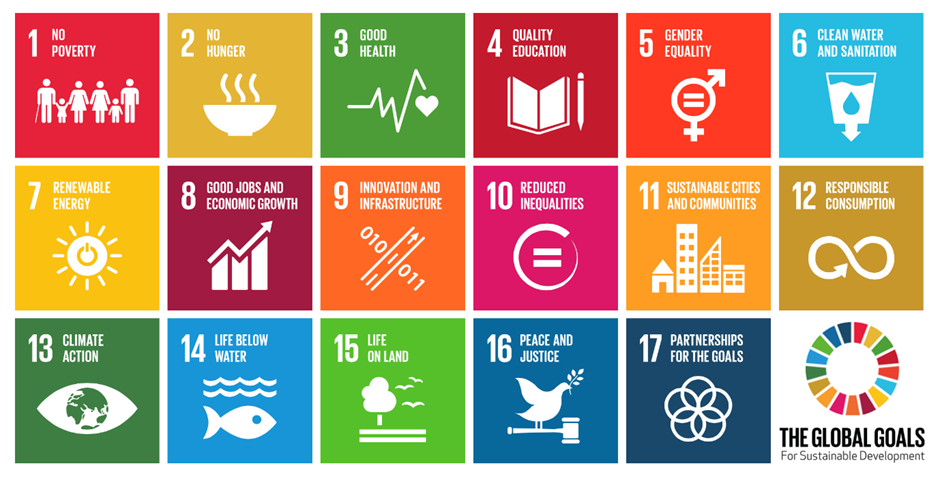
As part of our week ten workshop, we were split into groups and each given a different theme. My group were given no.12 ‘Responsible consumption and production’. We were to walk around limerick with the outlook of designing a solution under our theme title, while also making the most of the opportunities that limerick city provided us with, such as the river Shannon or an empty storefront.

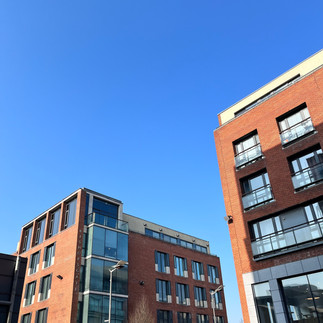


Our group noticed that were plenty of opportunities. We also saw the work that limerick city has already done in terms of community spaces such as the public seating and extended pathway over the river Shannon. After our research walk, we returned to the class. Where we were to research work already done regarding our designated theme in Ireland. Responsible consumption and production are close to home for me. I live in Cloughjordan, close to the Ecovillage and its enterprise centre. I focussed on researching this signal for change example.
This project provides workspace in the EcoVillage for a Fab-Lab and other start-up ecological businesses. 4 double-height light-industrial units with large roller shutter door access abut 2 floors of offices and associated spaces. It acts as an innovation space with co-working, classrooms and event space.
Its goals are to provide access to the people, the tools and the space to educate, incubate and innovate. Making, working and learning is what it is all about. It is a place to bring together innovators to design and prototype new products and address local needs. A fab lab in an ecovillage in rural Ireland will be very different and have a different focus to those based in London or Dublin.
As a group, we then combined all our researched signals for change examples we found and applied them to our research walk. We thought of a new possibility in which we create a community space for growers, farmers and local businesses to come together and source partnerships and delivery lines within limerick city. This can then become a local 'brand' and be advertised and encouraged to the public that they should engage with local businesses and farms in their work or daily life. Here a governmental sustainability programme will provide work and development spaces for all to work towards and learn about sustainability. Here the workspace will function to collect e-waste and re-purpose it then provide a sustainability programme in return using the profit/resources gathered.
We then wrote a forecast for the year 2025:
‘Abandoned spaces have been converted to local enterprise hubs. Communities are actively communicating with each other. Local businesses and farmers are meeting with each other to source partnerships and delivery lines. Restaurants are putting call-outs to the community letting them know of their food waste. People have a place to go to leave their waste, such as e-waste, where it will be dealt with appropriately.’


Comments